Skip to content

FREE SHIPPING ON AUSTRALIAN ORDERS OVER $50 <3

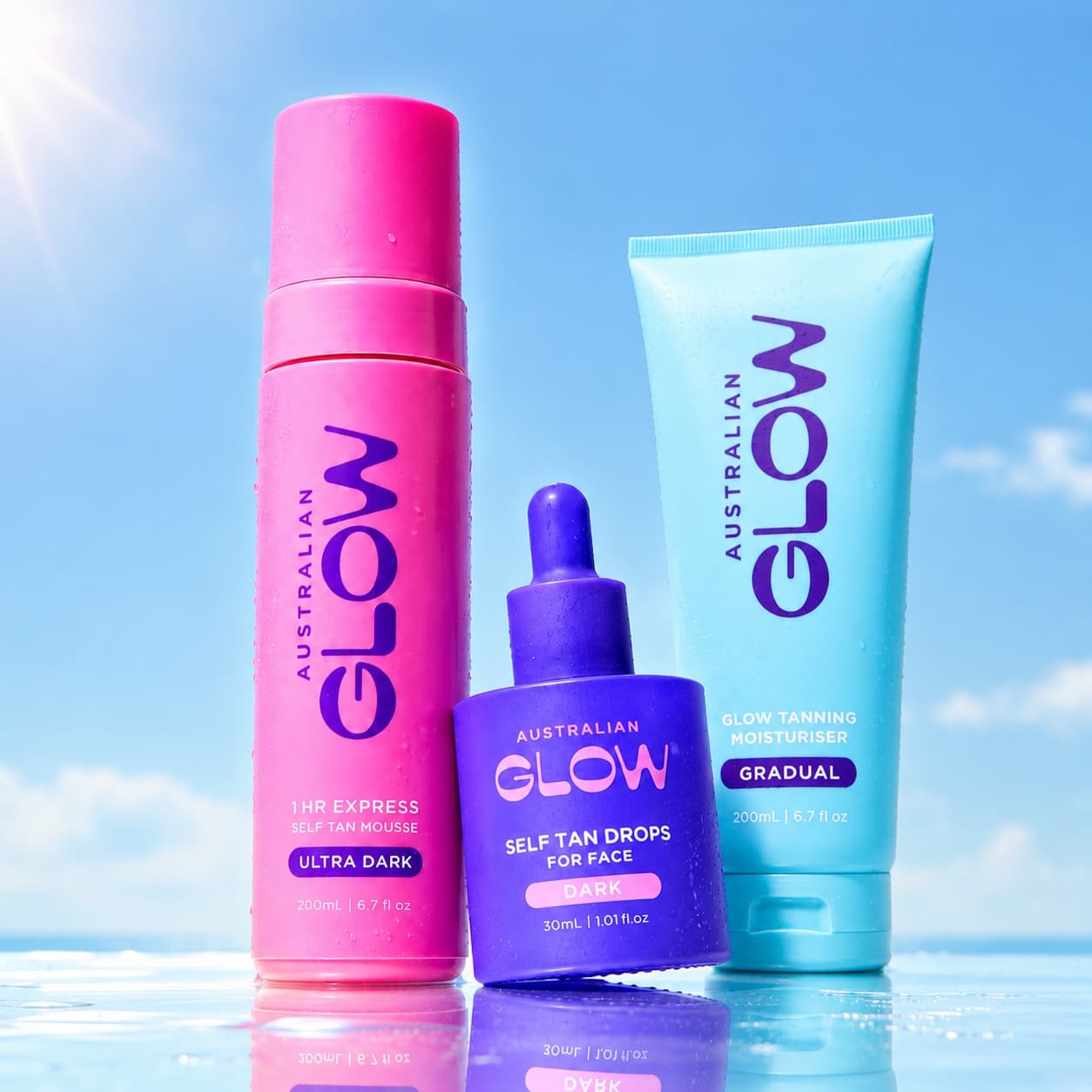
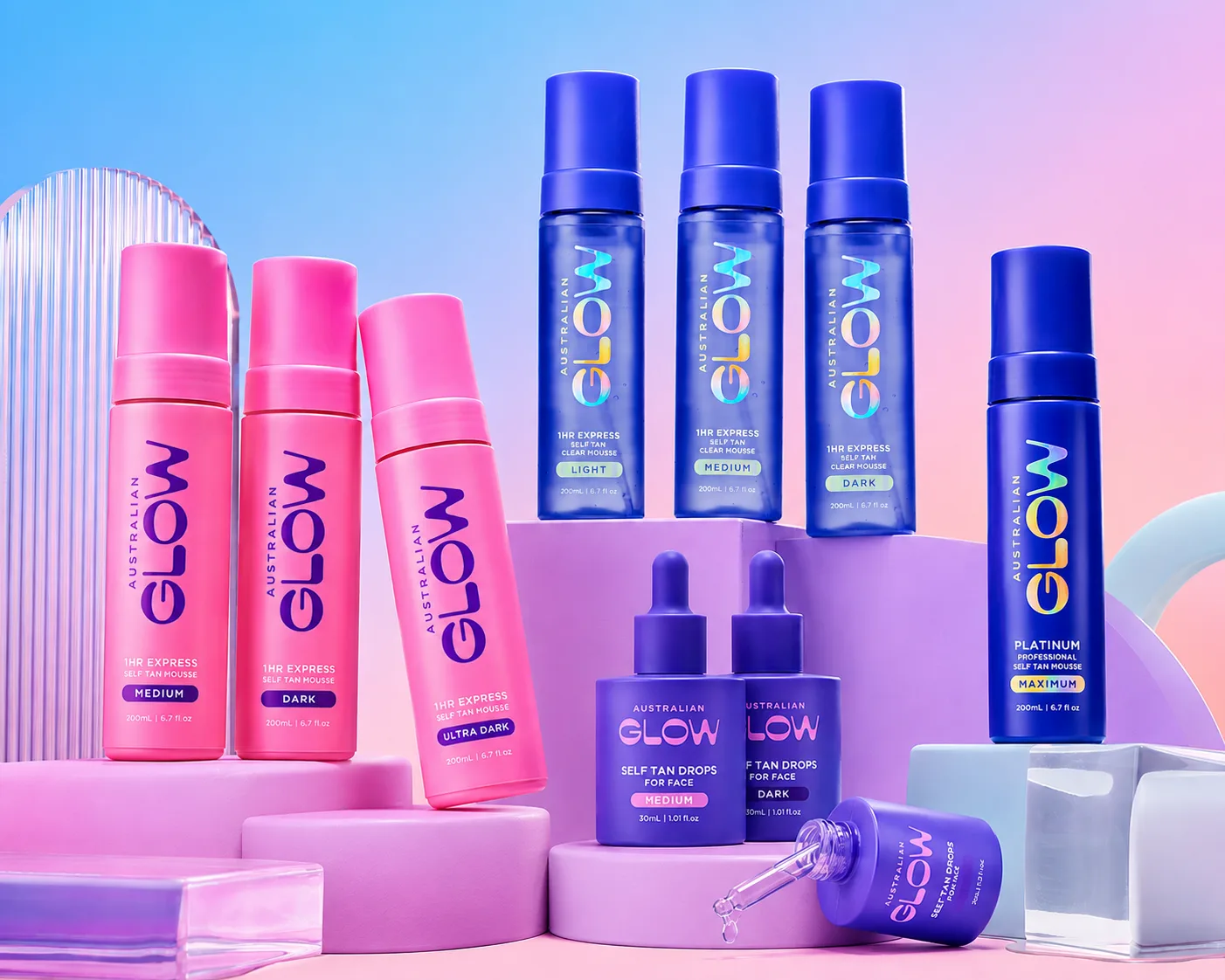
The full Australian Glow range on a pastel pink and blue set

How-To Guides · 24 June 2026 · 5 min read

which shade should you choose?

Liz, founder of Australian Glowby liz, founder

The most common self-tan mistake is not streaks — it is choosing a shade for the person you are on holiday, not the person you are on a Tuesday. Here is how the range actually maps to real life.

start one shade lighter than you think

Every shade in the range is buildable: a second application deepens the colour, and development time adds depth too. You can always go deeper tomorrow; you cannot go lighter tonight. If you are torn between two shades, take the lighter one.

the shades, honestly

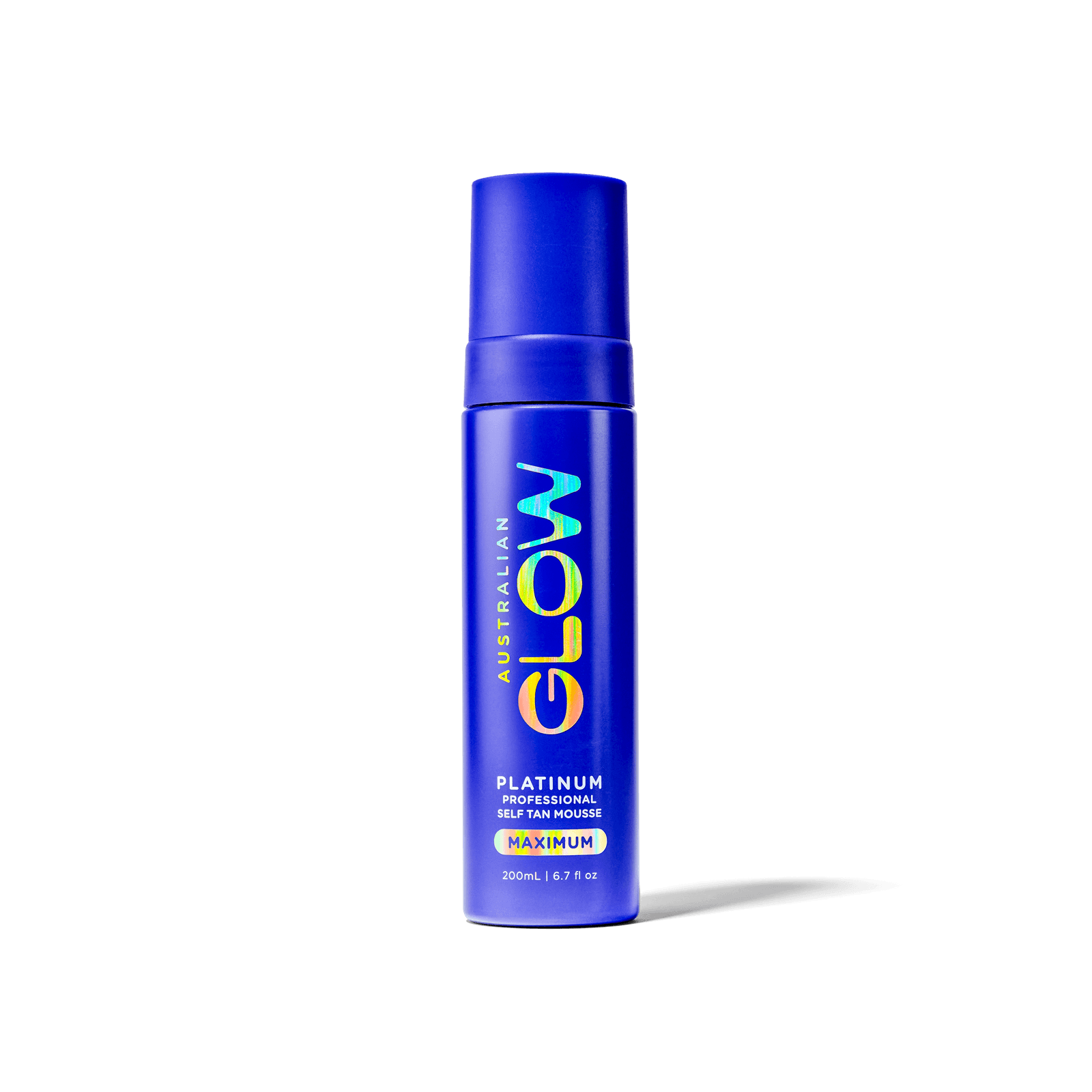
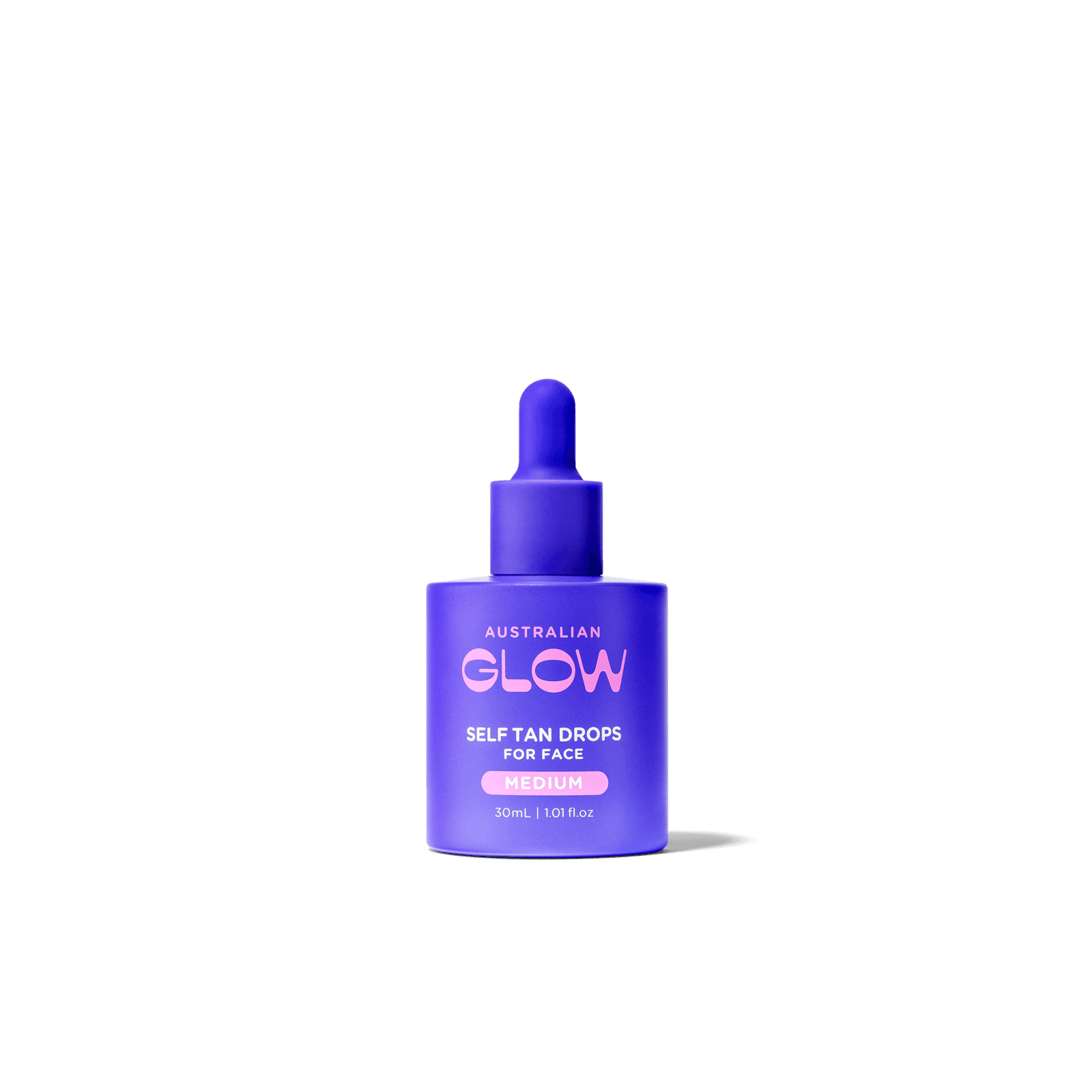
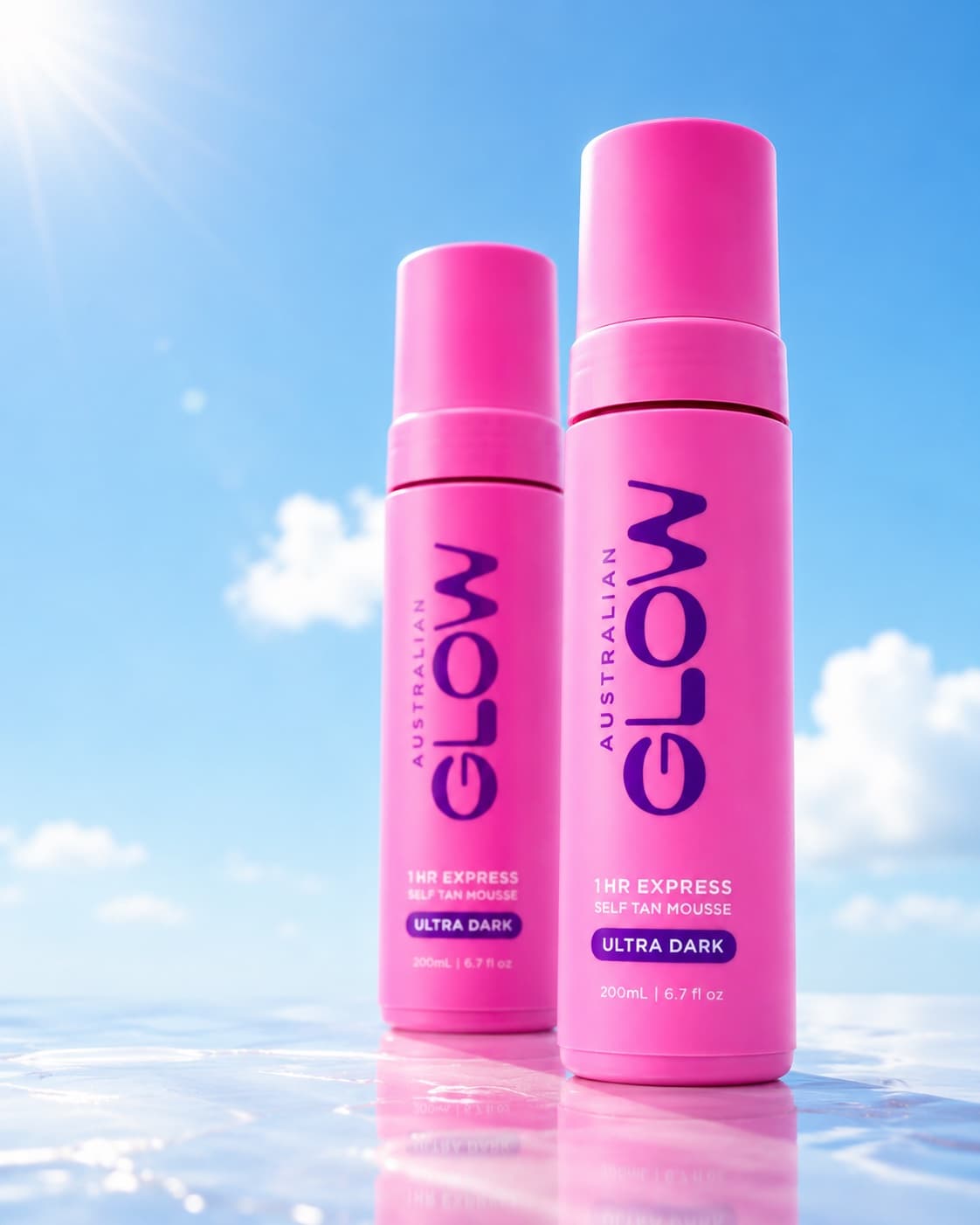
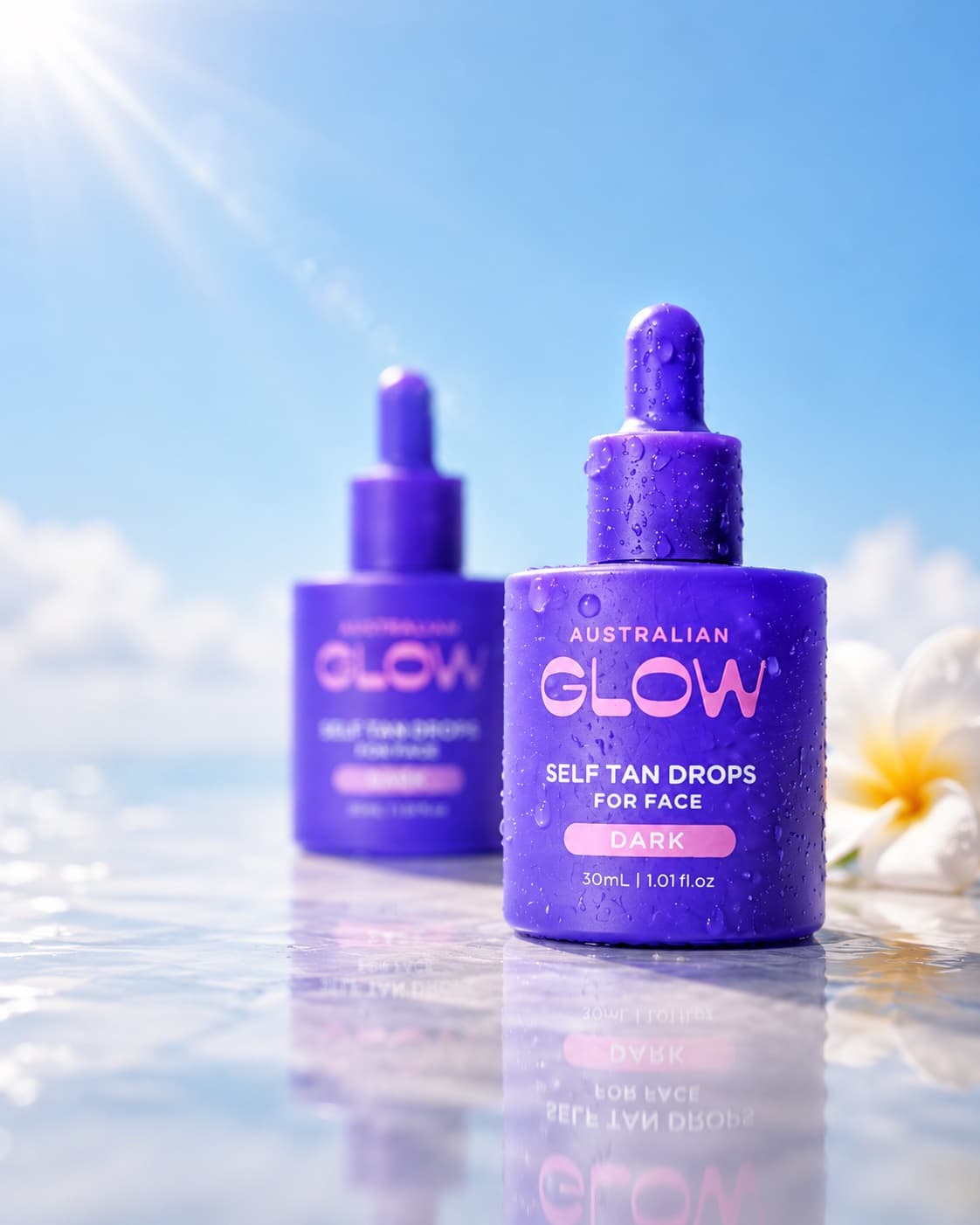
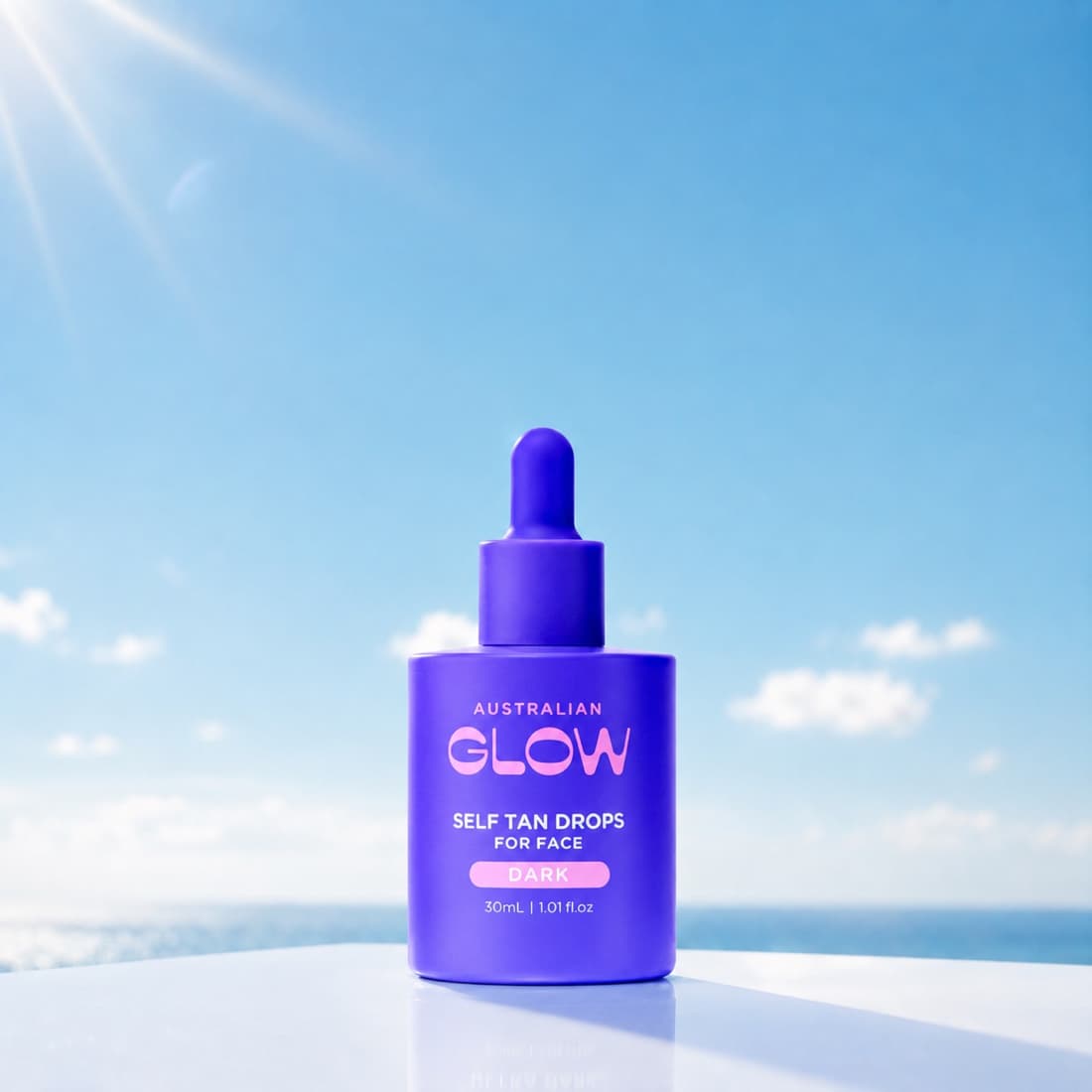
Light is a soft, holiday-weekend glow for fair skin that usually burns rather than tans. Medium is the everyday bestseller — a believable "just got back from the coast" bronze on most skin tones. Dark is a statement tan for events and summer, best on skin that tans easily or already has base colour. Ultra Dark and Platinum Maximum are the deepest finishes we make — rich, salon-level colour for people who know exactly what they want.

guide colour or clear?

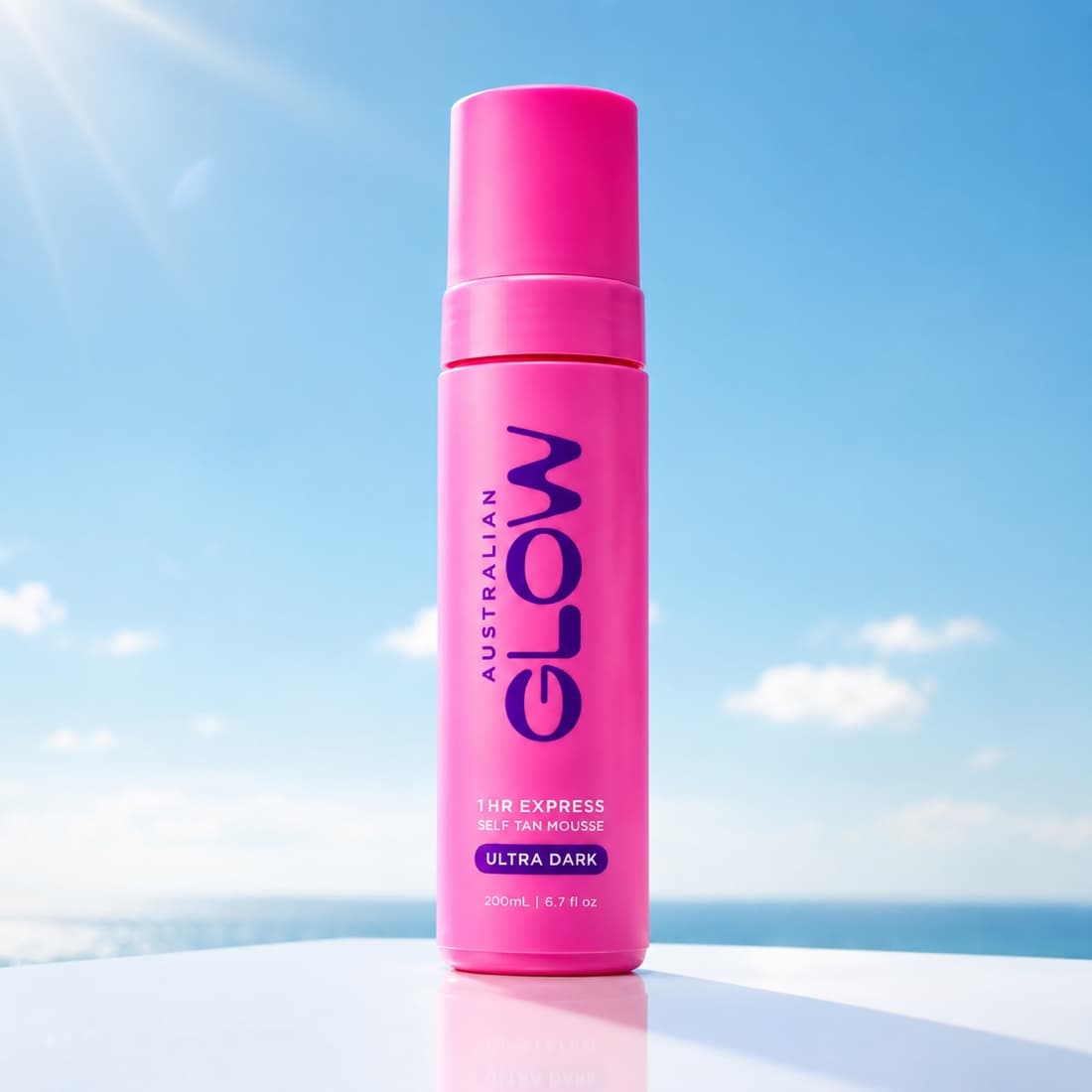
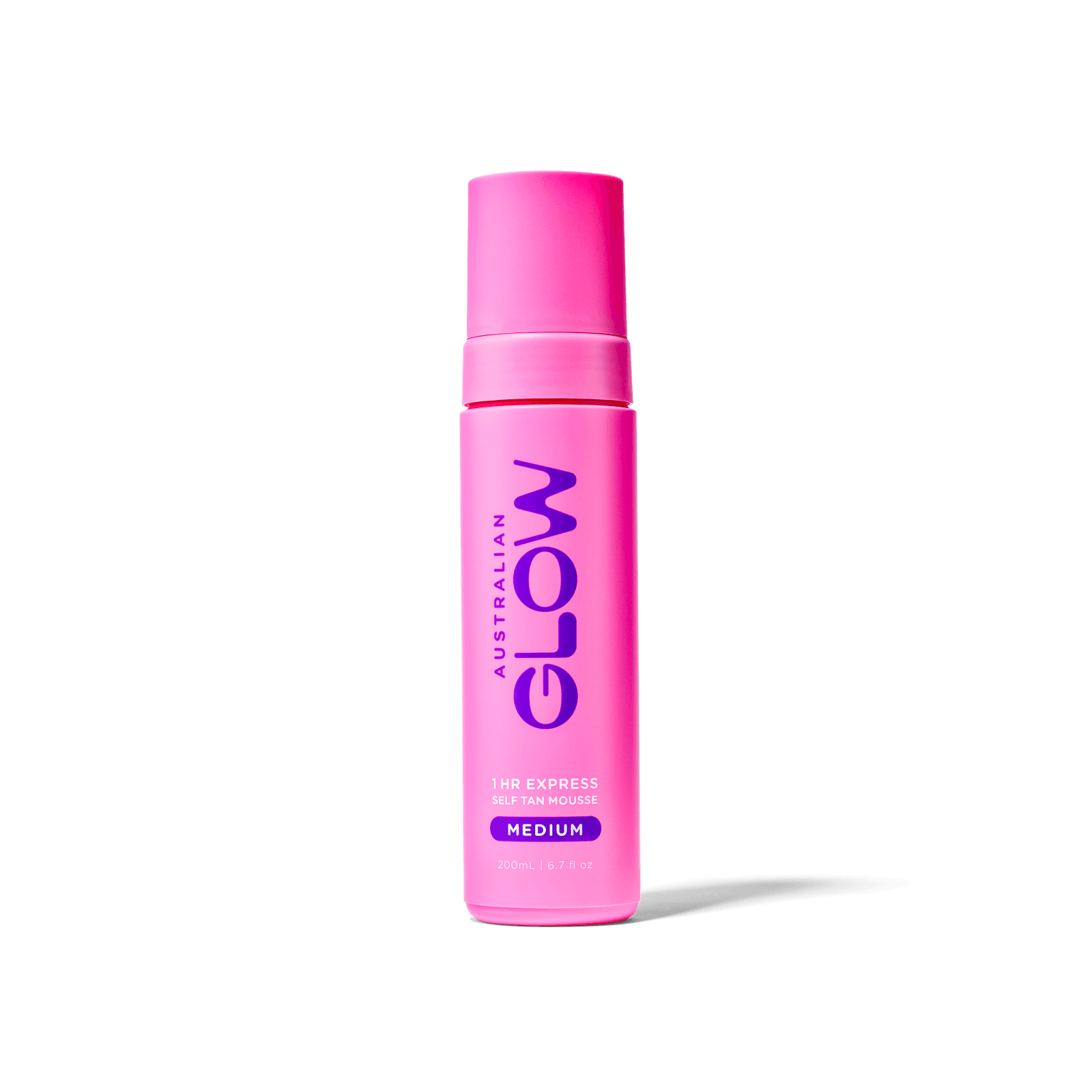
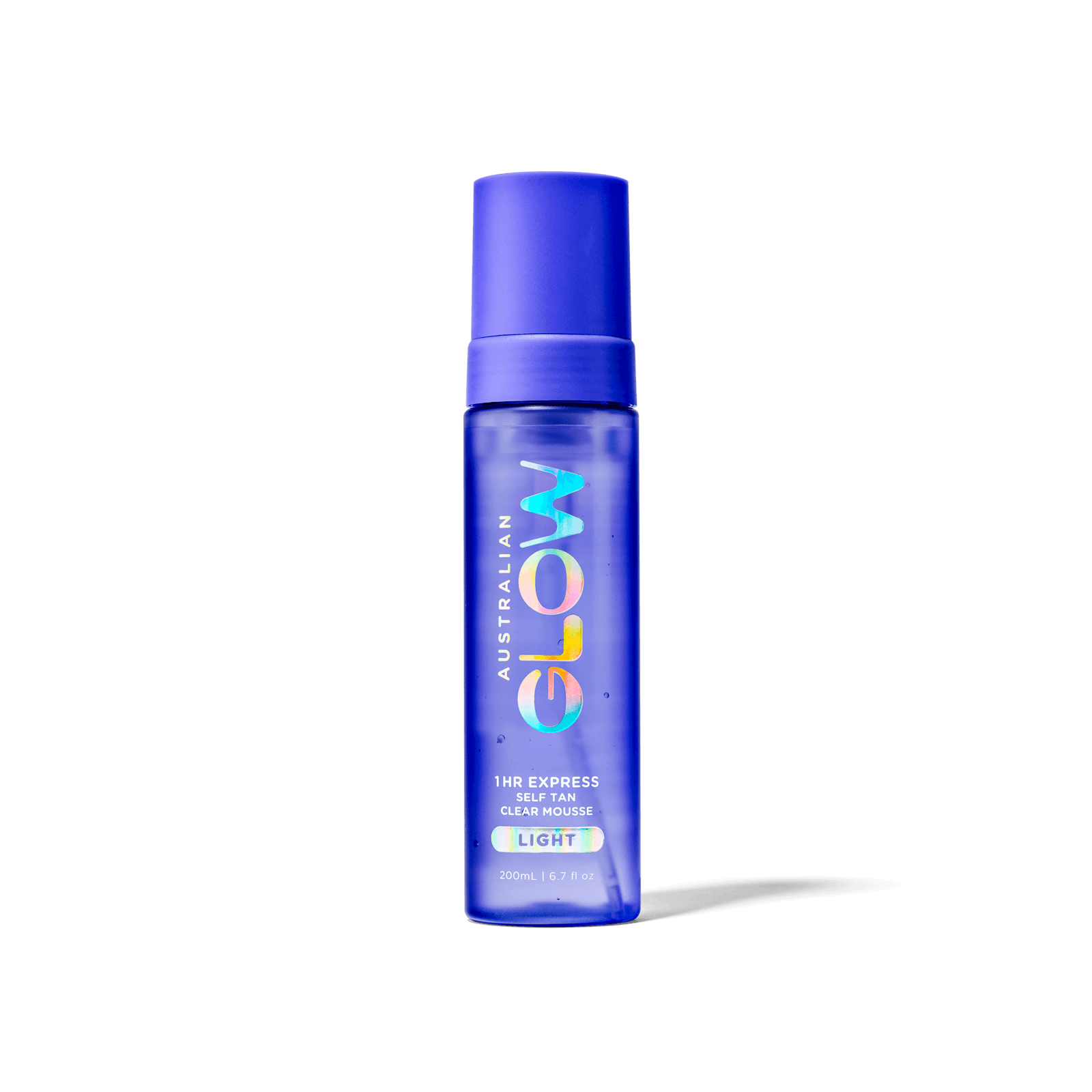
The original 1 Hour Express Mousse goes on with a bronze guide colour so you can see exactly where you have applied — the right choice for first-timers and anyone who tans occasionally. The Clear Mousse skips the guide colour entirely: nothing transfers to sheets or hoodies, but you are applying blind, so it suits repeat tanners with a practised hand.

Still unsure? Medium in the original guide-colour mousse is the range's safest first buy — visible enough to apply confidently, forgiving enough to wear anywhere.

quick answers

What self tan shade should a beginner choose?+

Medium in the original 1 Hour Express Mousse. The bronze guide colour shows exactly where you've applied, and Medium is buildable — a second coat takes you deeper if you want more.

What is the darkest Australian Glow shade?+

Platinum Maximum — the deepest, most professional finish in the range, followed by Ultra Dark in the 1 Hour Express Mousse.
Mentioned in this guide

shop the routine.

Keep reading

double tap, it couple, glow up or main character?

Four bundles, four kinds of tanner. A two-minute sorting hat for the kits — and who should skip them and buy singles.

how long does self tan last?

Five to seven days is the honest answer — but development time, prep and aftercare each move that number. Here is exactly what decides it.

how to self tan your back (without asking for help)

The back is the last frontier of the solo tan. Four techniques that actually reach, ranked from free to foolproof.

tan prep 101: how to get a flawless base

Ninety percent of a great tan happens before the mousse comes out. The prep routine that stops streaks, patches and crocodile ankles.

clear mousse vs guide colour: which is you?

Same 1-hour express tan, two very different application experiences. The honest trade-offs between the Clear Mousse and the original pink.

the event tan timeline: when to tan for a wedding

Working backwards from the big day: when to patch test, exfoliate, apply, and top up so the photos get peak glow — not day-one shine or day-five fade.

what is DHA? how self tan actually works

The ingredient behind every believable fake tan is a simple sugar. What DHA is, how it builds colour, and why development time matters.

streak emergency: how to fix a patchy tan fast

Dark stripe, missed patch, orange knee — every mistake has a fix that beats starting over. Triage for the morning-after tan.

why do some tans turn orange?

Orange is not inevitable — it is a formulation and application problem with three specific causes. Here is each one, and how to never meet it.

how to make your tan last a full week

The fade is decided by what you do after the rinse. Seven days of even, believable colour — no patchy day-five situation.

how often should you self tan?

Weekly is the natural rhythm — but the real answer depends on which product you run and how you shower. The maintenance maths, explained.

can you self tan your face? the right way to do it

Yes — but not with your body mousse. Why faces need drops, how many to use, and the routine that keeps the glow even through skincare season.

hands, feet & ankles: the giveaway zones

Nobody clocks a fake tan from your legs — they clock it from orange knuckles and tide-marked ankles. The detail routine that keeps the giveaway zones believable.

self tan vs salon spray tan: the honest comparison

Same active ingredient, wildly different economics. Where a salon spray genuinely wins, and where the mitt beats the booth.

the fastest way to remove self tan

Patchy day-six tan, event tomorrow? The warm-soak-and-buff method that actually works, and the scrubbing mistakes that just make it worse.

self tan for men: the no-drama guide

Same product, slightly different playbook: body hair, stubble lines, gym schedules and the art of the undetectable tan.

how to self tan pale skin: a beginner's guide

Fair skin can absolutely wear a tan — the trick is shade choice and patience. A no-fear starting routine for the palest among us.

gradual vs express: which tan speed are you?

One builds a shade a day with zero risk; the other delivers the full result in an hour. The honest trade-offs between the two speeds.

the winter tan: keeping a glow when the sun quits

Cold-weather skin is dry skin, and dry skin eats tans. How to run a believable winter glow — and why lighter reads better under grey light.

the first 24 hours: what to do after you tan

The application took fifteen minutes; the next day decides whether it was worth it. Sweat, showers, sheets and moisturiser — the aftercare rules.

does a fake tan protect you from sunburn? (no.)

The most dangerous myth in tanning, answered in one word — and the science of why bronzed-by-bottle skin burns exactly like pale skin.